
Cultural perspectives on gambling exploring the rituals and beliefs across societies
Cultural perspectives on gambling exploring the rituals and beliefs across societies
The Historical Context of Gambling
The origins of gambling can be traced back to ancient civilizations where it served not only as a form of entertainment but also as a means of decision-making and social bonding. In cultures such as the Roman Empire and Ancient China, various forms of gambling, including dice games and betting on events, were prevalent. These activities were often embedded in rituals that reflected social hierarchies and community values, highlighting the integral role gambling played in societal interactions. Today, you can explore the best options by visiting the mafia casino in New Zealand, which continues this rich legacy.
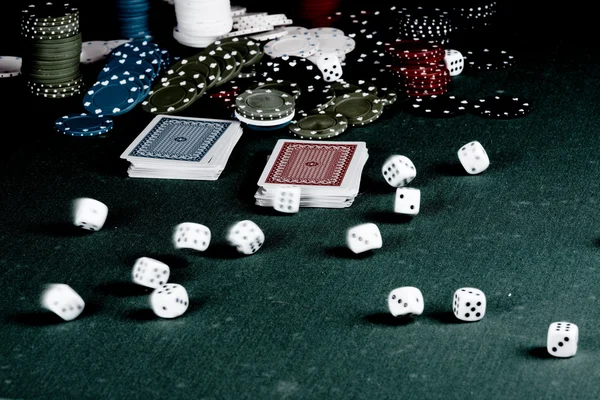
As cultures evolved, so did the complexities surrounding gambling. In many indigenous societies, gambling was not merely about monetary gain but was also a spiritual activity. For instance, Native American tribes often engaged in games that were believed to bring about luck and communicate with the spiritual realm. Such practices illustrate how gambling rituals were deeply intertwined with cultural beliefs, acting as a bridge between the material and spiritual worlds.
The historical context of gambling reveals that it has always been more than just a pastime; it has served as a reflection of cultural norms and social structures. In different societies, the implications of winning or losing were often seen as omens, influencing decisions from daily activities to significant life events. Thus, gambling rituals have served a dual purpose of entertainment and a mechanism for cultural expression, shaping community identities across time.
Gambling Rituals Across Cultures
Rituals surrounding gambling are fascinating and varied, reflecting the diverse beliefs and practices of different cultures. In many African cultures, for example, gambling is frequently accompanied by traditional music and dance, transforming it into a communal event rather than an isolated activity. These rituals emphasize unity, as people come together to celebrate, share stories, and support one another, enhancing the cultural significance of gambling within the community.
In contrast, Asian cultures often emphasize the spiritual aspects of gambling. For instance, the practice of Feng Shui plays a significant role in how individuals approach games of chance in countries like China. Many gamblers will choose specific numbers, colors, or even locations based on Feng Shui principles, believing that these choices can influence their luck. Such rituals showcase the intricate relationship between gambling and cultural beliefs, where the act of betting extends beyond chance into a realm of spiritual significance.
Additionally, in Western societies, rituals such as the ‘lucky charm’ phenomenon are prevalent. Many gamblers carry items they consider to be lucky, whether it be a specific piece of clothing or a talisman. This practice underscores the psychological aspects of gambling, where rituals become a source of confidence and hope. As a result, rituals surrounding gambling serve not only to enhance the experience but also to reflect broader cultural beliefs regarding luck, fate, and community.
The Social Implications of Gambling Beliefs
Gambling beliefs influence not only individual behavior but also societal perceptions and policies regarding gambling. In many societies, gambling is perceived through a moral lens, where views on its acceptability can vary widely. For instance, in cultures where gambling is seen as a vice, individuals may face social stigma, leading to hidden practices and underground gaming activities. This perception creates a dichotomy where gambling is both a source of entertainment and a potential moral failing.
Conversely, in cultures where gambling is celebrated, such as in Las Vegas, it becomes a significant economic driver. Here, gambling is embraced as a form of leisure that fosters tourism and community development. The contrasting social implications of gambling beliefs highlight how cultural perspectives shape the landscape of gambling industries, affecting everything from regulations to the social acceptance of gambling as a leisure activity.
Additionally, the social implications extend to family dynamics. In some cultures, gambling is a communal activity that strengthens familial bonds, as families gather to partake in games. In other contexts, it can lead to familial strife and financial difficulties. These contrasting outcomes underscore the importance of cultural beliefs in shaping not only individual gambling behaviors but also the collective identity of communities around gambling practices.
Modern Perspectives and the Evolution of Gambling
In the digital age, gambling has taken on new forms, with online casinos becoming increasingly popular. This evolution has transformed traditional beliefs and rituals, as people can now engage in gambling activities from the comfort of their homes. The anonymity provided by online platforms has altered the social dynamics of gambling, where traditional community rituals are often replaced with solitary experiences. Nevertheless, many online platforms strive to recreate the communal aspect of gambling through live dealer games and virtual chat rooms.
Modern perspectives on gambling also reflect heightened awareness of responsible gambling practices. As more societies confront issues such as addiction and financial ruin, cultural attitudes are shifting to prioritize education and support over stigmatization. This evolution indicates a growing recognition of gambling’s psychological aspects, prompting communities to adapt their beliefs and practices in ways that promote healthier engagement with gambling.
Furthermore, the incorporation of technology in gambling practices has led to innovative rituals, such as online tournaments and social media events, allowing people to connect in new ways. As gambling continues to evolve, the intersection of technology and cultural beliefs will likely shape future gambling practices, making it essential to understand the ongoing transformations in societal perspectives surrounding this age-old activity.
Mafia Casino: A Modern Gaming Experience
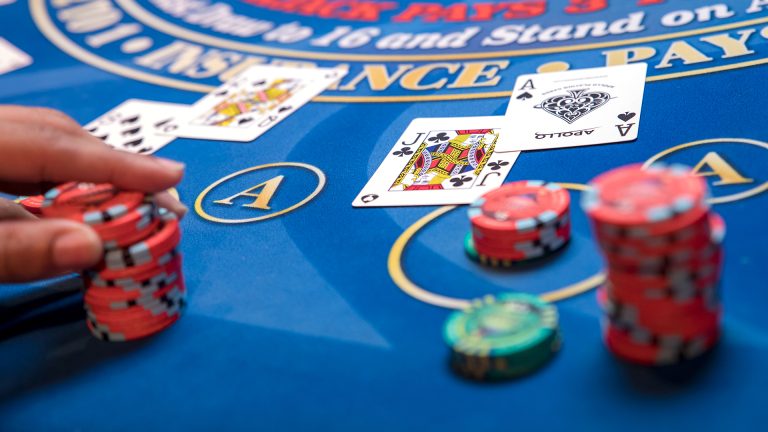
Mafia Casino represents a modern approach to gambling, integrating traditional elements with contemporary gaming experiences. Established with a commitment to providing an extensive library of over 4,000 games, it caters to diverse preferences, from classic slots to immersive live dealer experiences. This blend of offerings not only reflects the evolving landscape of gambling but also appeals to various cultural perspectives on gaming, inviting players from different backgrounds to engage.
The platform emphasizes user-friendly navigation, ensuring that players can easily access their favorite games while benefiting from secure payment options and prompt withdrawals. This commitment to quality enhances the overall gaming experience, positioning Mafia Casino as a trusted destination for online gambling. By offering generous bonuses and promotions, the casino acknowledges the communal aspect of gambling, striving to create a welcoming environment for both new and seasoned players.
In conclusion, Mafia Casino embodies the spirit of modern gambling, bridging cultural perspectives with innovative practices. As gambling continues to evolve globally, platforms like Mafia Casino play a crucial role in shaping how individuals engage with this age-old pastime, ensuring that it remains a vibrant and integral part of contemporary culture.